
MtoZ Biolabs utilizes advanced instrumentation and analytical platforms to offer qualitative proteomics services for the systematic qualitative analysis of proteins in complex samples. This service is applicable to global proteome characterization and protein identification studies, providing a reliable data foundation for qualitative protein analysis across diverse sample types.
What Is Qualitative Proteomics?
Qualitative proteomics is an analytical approach focused on the systematic identification of protein constituents within a sample, with an emphasis on confirming protein presence, identity, and fundamental characteristics. This analysis prioritizes the acquisition of comprehensive and reliable protein identification results in complex biological backgrounds rather than comparative assessments of protein abundance. Qualitative proteomics provides essential foundational data for sample characterization, candidate protein screening, and subsequent function-related studies.
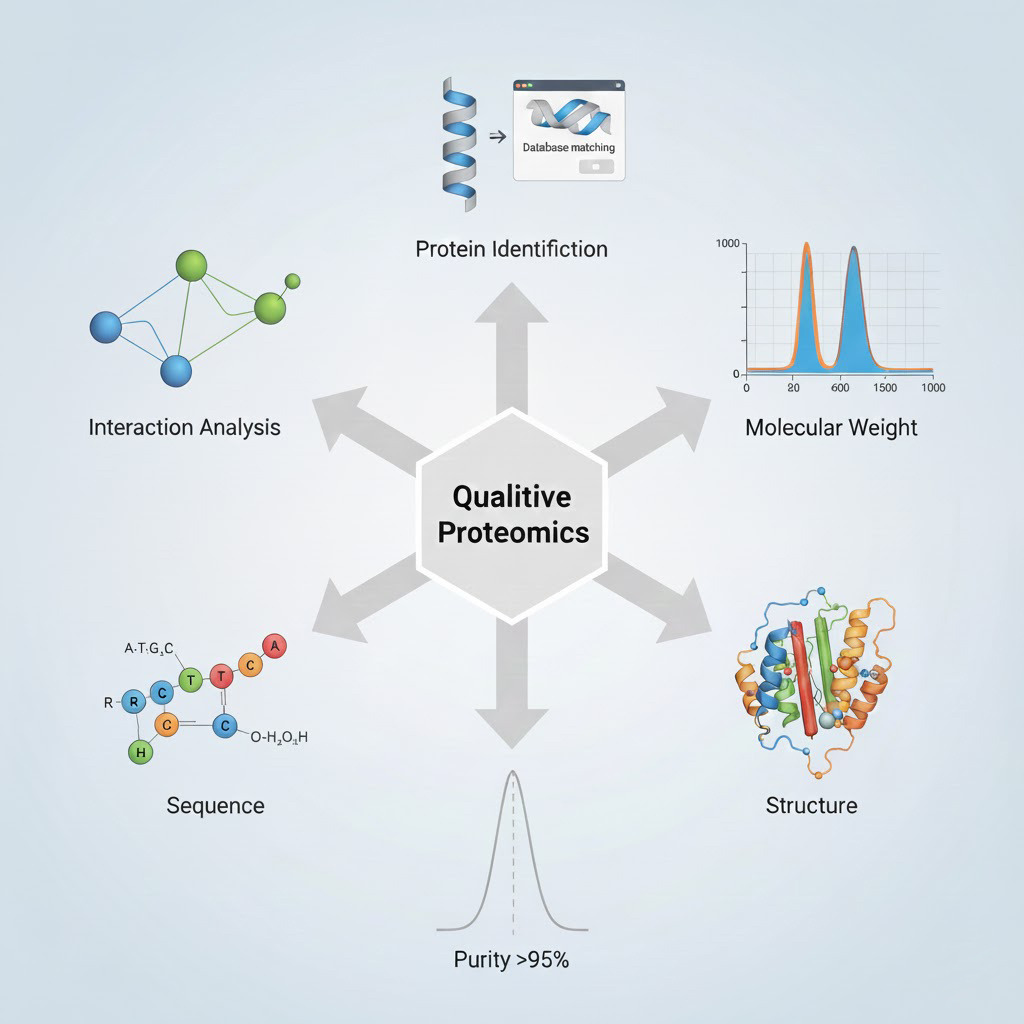
Figure 1. Schematic of Qualitative Proteomics.
Qualitative Proteomics Services at MtoZ Biolabs
1. Protein Identification
Through systematic analysis of the protein composition within a sample, this approach confirms protein presence and identity, enabling clear determination of the protein species contained in the sample and their fundamental characteristics.
2. Protein Molecular Weight Determination
Accurate measurement of the molecular weight of target proteins or protein components is performed to verify theoretical molecular weights, assess protein integrity, and assist in identifying abnormal fragments or molecular weight changes caused by modifications.
3. Protein Structural Characterization
Information related to protein conformation and structural state is obtained to evaluate whether the protein maintains an intact structure, providing reference data for subsequent functional analysis or quality assessment.
4. Protein Purity Analysis
Target proteins are distinguished from contaminating proteins within the sample to evaluate purification efficiency and overall sample quality, ensuring the reliability of downstream analytical results.
5. Protein Sequence Analysis
By analyzing and confirming sequence-related information, this analysis verifies the correctness of the target protein sequence and assists in identifying potential sequence variations or truncations.
6. Protein Interaction Analysis
This analysis examines whether proteins exhibit specific interaction relationships with other molecules, providing preliminary interaction information to support further investigation of protein functional associations.
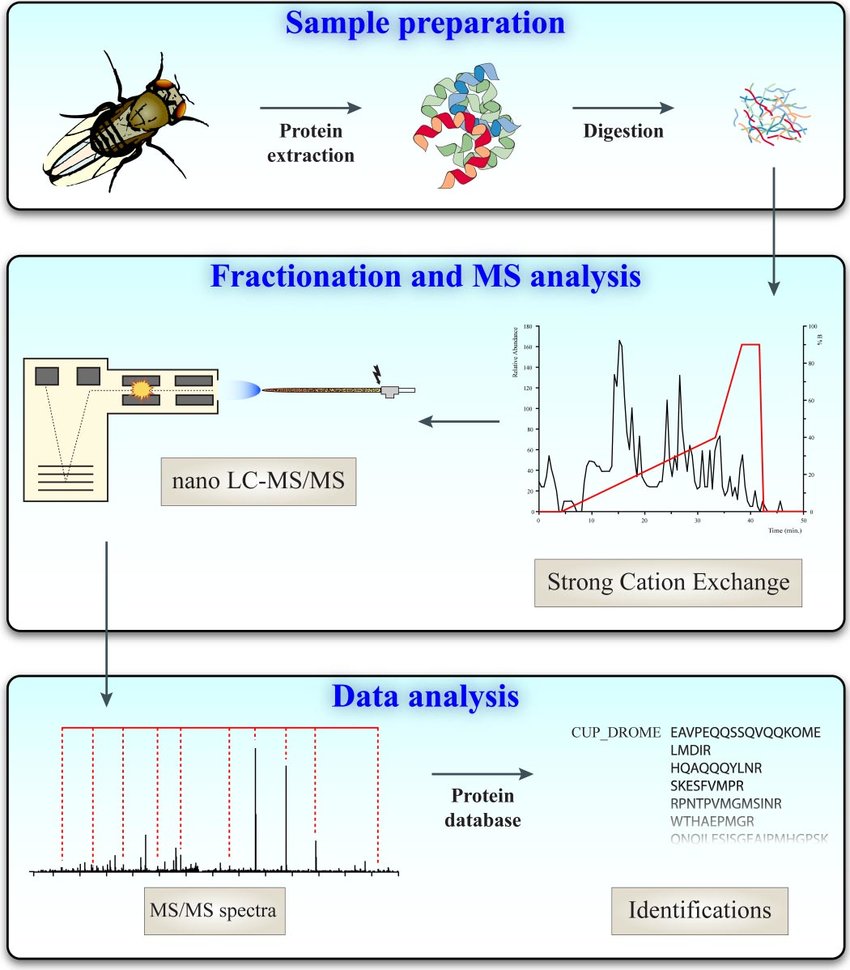
Gouw, J W. et al. Molecular & Cellular Proteomics, 2009.
Figure 2. Protein Identification Workflow.
Why Choose MtoZ Biolabs?
- High-throughput processing capability: Supports parallel analysis of multiple samples, improving the efficiency of qualitative screening and comparison.
- Comprehensive analytical coverage: Enables systematic qualitative analysis ranging from protein identification and molecular weight determination to structural features and interaction information.
- High result reliability: Standardized workflows combined with multi-method cross-validation enhance data stability and consistency.
- Flexible analysis strategies: Analytical combinations can be customized according to research focus to meet diverse study objectives.
- One-stop analytical service: Covers sample evaluation, qualitative analysis, and result reporting, improving overall research efficiency.
Applications of Qualitative Proteomics Services
1. Protein Expression Result Verification
Used to confirm whether the target protein has been successfully obtained after recombinant or endogenous expression, providing a basis for optimizing expression systems and adjusting experimental conditions.
2. Biomarker Screening
Used to identify representative molecular features in complex samples, providing qualitative clues for subsequent biomarker-related studies.
3. Research Target Exploration
Through qualitative analysis, candidate molecules associated with the research subject can be identified, helping to define the scope of potential research targets.
4. Signaling Pathway Analysis
Used to confirm the composition of pathway-related molecules and support the organization of signaling pathway structures and their associated relationships.
5. Quality Control and Sample Identification
Used to verify the presence of target components and the overall compositional characteristics of samples, assisting in evaluating whether samples meet the basic requirements for subsequent research or analysis.
Deliverables
- Comprehensive Experimental Details
- Materials, Instruments, and Methods
- Qualitative Protein Analysis Results
- Associated Mass Spectrometry Spectra and Visualization Figures
- Bioinformatics Analysis
- Raw Data Files
- Comprehensive Analysis Report
FAQ
Q1: What types of samples are suitable?
A1: Qualitative proteomics services are suitable for protein-related samples with clear origin, stable condition, and no obvious degradation. Common sample types include cell or tissue extracts, purified proteins, recombinant proteins, and appropriately pretreated complex biological samples. Samples should have good solubility and should avoid high salt, strong detergents, or other components that may interfere with qualitative analysis to ensure reliable results.
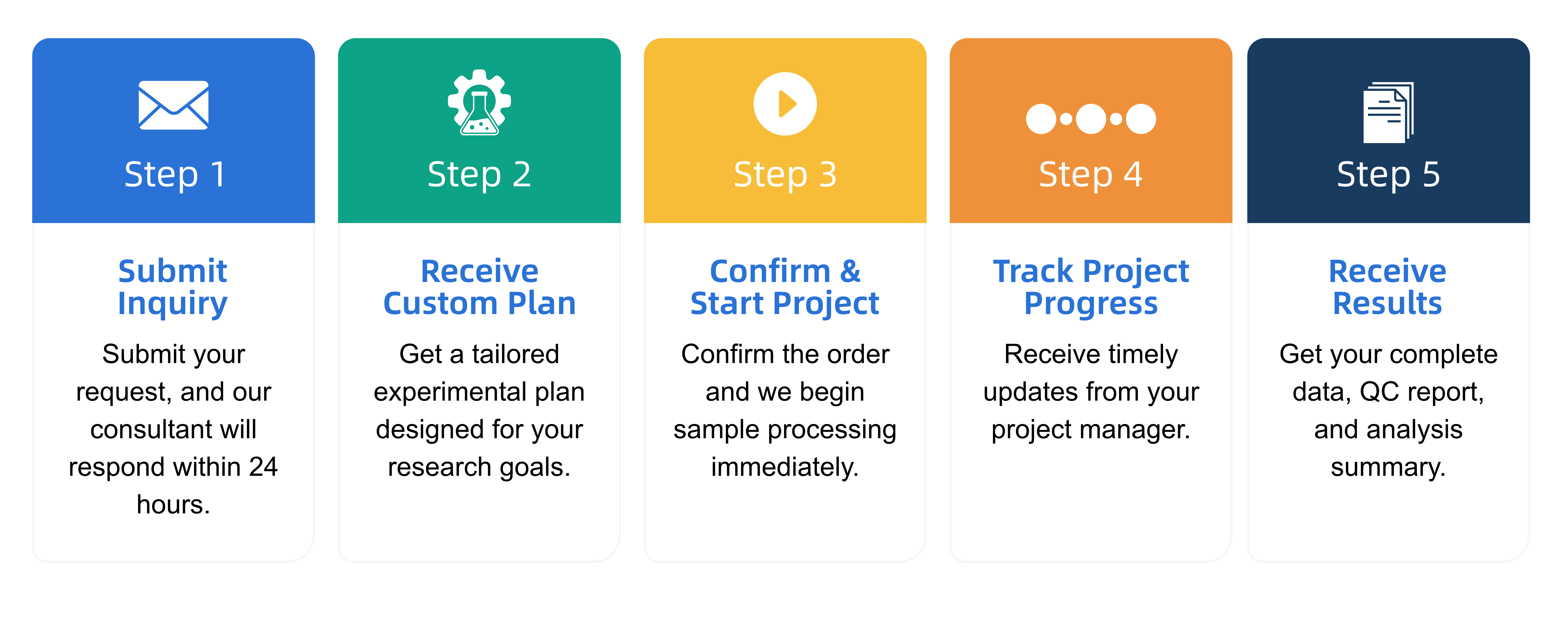
Q2: What is the service general workflow?
A2:
Q3: What data formats are provided?
A3: MtoZ Biolabs provides standardized data deliverables, typically including:
- Protein identification and qualitative analysis result tables (Excel/CSV)
- Related analysis and statistical summary files
- Visualization figures (such as spectra and schematic plots, PNG/TIFF)
- Comprehensive analysis report (PDF, including analytical rationale, method overview, and result summary)
If special analytical requirements exist, data formats can be customized according to project specifications.
Q4: How should I prepare my samples?
A4: To obtain stable and reliable qualitative analysis results, the following preparation guidelines are recommended:
- Sample quality: Ensure samples show no obvious degradation, precipitation, or contamination, and that protein status is stable.
- Sample storage: Store at 4℃ for short-term use; for long-term storage, keep at -80℃ and minimize freeze-thaw cycles.
- Sample transportation: Ship samples under low-temperature conditions using sealed containers to prevent changes in sample condition.
- Additional information: Provide sample origin, processing method, concentration range, and relevant background information to facilitate appropriate analysis strategy development.
For more information, please refer to Sample Submission Guidelines for Proteomics, Sample Submission Guidelines for Metabolomics.
Start Your Project with MtoZ Biolabs
Contact us to discuss your experimental design or request a quote. Whether you are exploring the basic characteristics of your samples or conducting more systematic proteomic studies, we can provide professional and reliable technical support.