
MtoZ Biolabs employs multiple advanced technologies and analytical platforms to launch the protein interaction profiling service enabling systematic characterization of interaction features between proteins and diverse classes of molecules. This service is applicable to functional association studies and interaction network construction, providing a reliable data foundation for the systematic analysis of complex biological systems.
What Is Protein Interaction?
Protein interaction refers to the specific or condition-dependent binding relationships formed between proteins and a wide range of biological molecules, including other proteins, nucleic acids, small molecules, and lipids. These interactions constitute a fundamental basis for functional execution and regulatory network organization within cells. Such interactions are broadly involved in signal transmission, structural assembly, metabolic regulation, and information integration. Systematic analysis of protein interactions helps elucidate functional associations among molecules and their coordinated roles within biological systems, providing critical insights into complex biological processes.
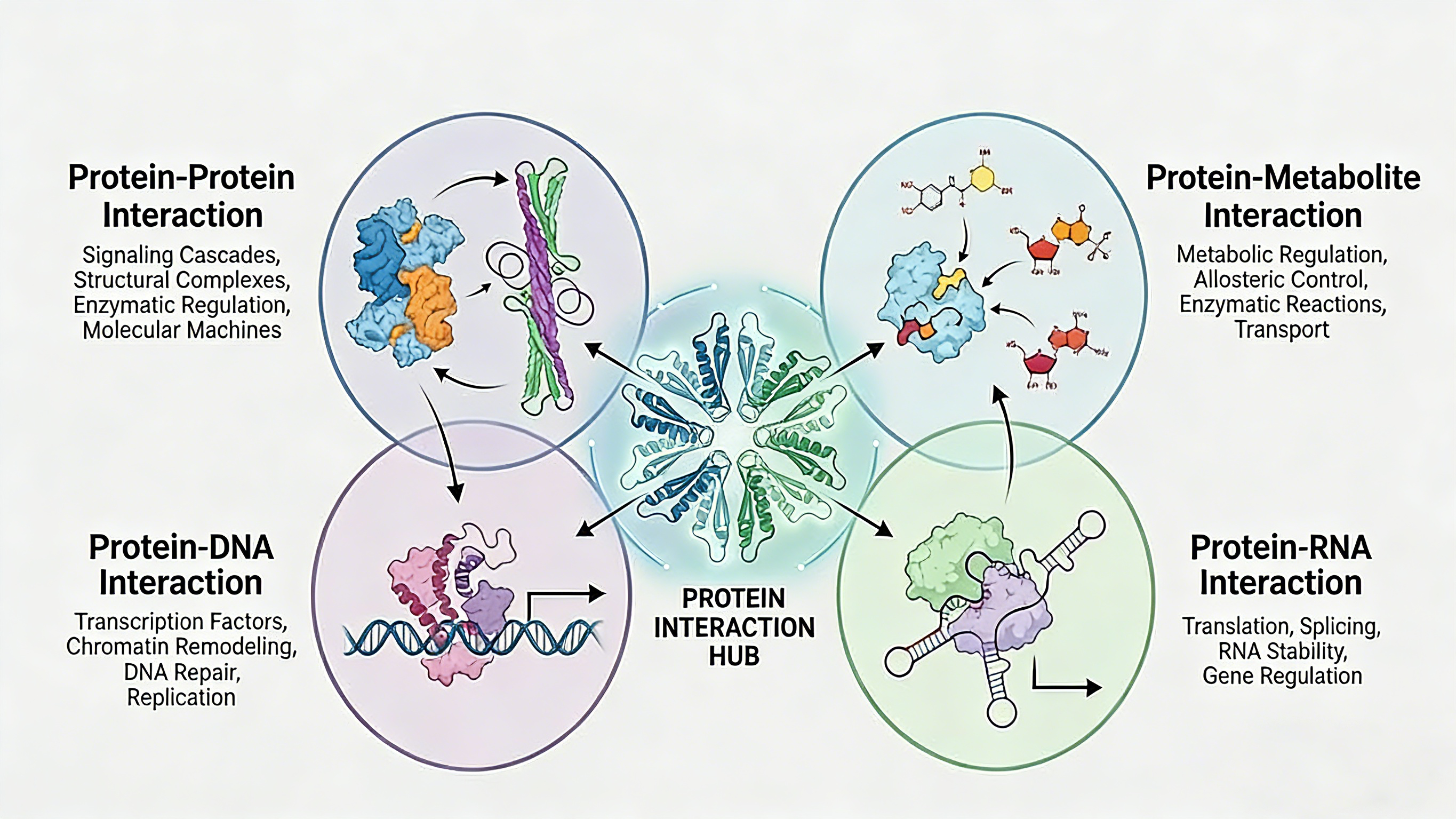
Figure 1. Overview of Protein Interaction.
Protein Interaction Profiling Service at MtoZ Biolabs
1. Protein-Protein Interaction Analysis
Used to identify and validate whether direct or indirect binding relationships exist between proteins, helping to construct protein interaction networks and clarify potential functional associations.
2. Protein-Metabolite Interaction Analysis
By detecting the binding of proteins to specific metabolites, this analysis evaluates interaction characteristics and provides a basis for understanding the roles of proteins in metabolic regulation.
3. Protein-DNA Interaction Analysis
Applied to examine protein binding behavior to specific DNA sequences, assisting in the confirmation of DNA-binding properties and related regulatory associations.
4. Protein-RNA Interaction Analysis
Used to characterize binding relationships between proteins and RNA, supporting systematic analysis of RNA-binding proteins and their associated RNA targets.
Technical Platforms for Protein Interaction Profiling Service
1. Protein Microarray
By immobilizing proteins or related molecules at high density on a solid-phase chip, protein microarrays enable parallel detection of multiple interaction events and are well suited for high-throughput interaction screening and profiling.
2. Yeast Two-Hybrid (Y2H)
Based on an intracellular expression system in yeast, this method screens for direct protein–protein interactions and is commonly used to identify novel interaction partners and construct interaction networks.
3. Glutathione S-Transferase Pull-Down Assay
This assay uses the specific binding between a GST tag and glutathione resin to enrich interacting proteins and is applied to verify whether direct binding exists between proteins.
4. Co-Immunoprecipitation (Co-IP)
Through the use of specific antibodies to enrich a target protein together with its associated binding partners, this approach detects protein interaction states under near-native conditions.
5. Mass Spectrometry (MS)
Mass spectrometry is used to identify and characterize proteins or other binding components within interaction systems, supporting systematic confirmation of interaction partners.
Why Choose MtoZ Biolabs?
- High-Throughput Analysis Capability: Supports parallel detection of multiple targets and is suitable for large-scale interaction screening.
- Diverse Technical Approaches: Integrates multiple experimental platforms to improve the completeness and reliability of interaction data.
- Reliable and Stable Data: Standardized experimental workflows ensure good reproducibility and consistency of results.
- Flexible Analysis Strategies: Different detection methods can be flexibly combined according to sample characteristics and research needs.
- One-Stop Service Support: Covers the complete workflow from experimental design and detection implementation to result organization and delivery.
Applications of Protein Interaction Profiling Service
1. Functional Association Studies
By analyzing association features among different molecules, this approach helps elucidate the roles of target molecules within biological systems and their potential functional relationships.
2. Metabolic Regulation-Related Studies
Used to analyze association patterns among metabolism-related molecules, supporting the understanding of changes in metabolic states and their connections with other molecular layers.
3. Signaling Pathway Studies
By integrating association information among different molecules, this analysis supports the characterization of pathway components, hierarchical relationships, and regulatory nodes within signaling pathways.
4. Functional Molecule Screening and Target Exploration
Enables the identification of key molecules with potential functional associations in complex sample backgrounds, providing candidate targets for subsequent in-depth studies.
5. Multi-Condition or Multi-State Comparative Studies
Applicable to comparative analyses across different treatment conditions, physiological states, or experimental groups, helping to reveal trends and variations in molecular relationships.
Deliverables
- Comprehensive Experimental Details
- Materials, Instruments, and Methods
- Interaction Analysis Result Tables
- Related Visualization Figures
- Raw Data Files
- Comprehensive Analysis Report
FAQ
Q1: What types of samples are suitable?
A1: The protein interaction profiling service is suitable for biological samples with clearly defined origins, stable states, and clear research relevance. Common sample types include cell or tissue lysates, purified proteins, recombinant proteins, as well as nucleic acids or small-molecule extracts associated with the research target. Samples should maintain good integrity and avoid obvious degradation or contamination to ensure reliable interaction profiling results.
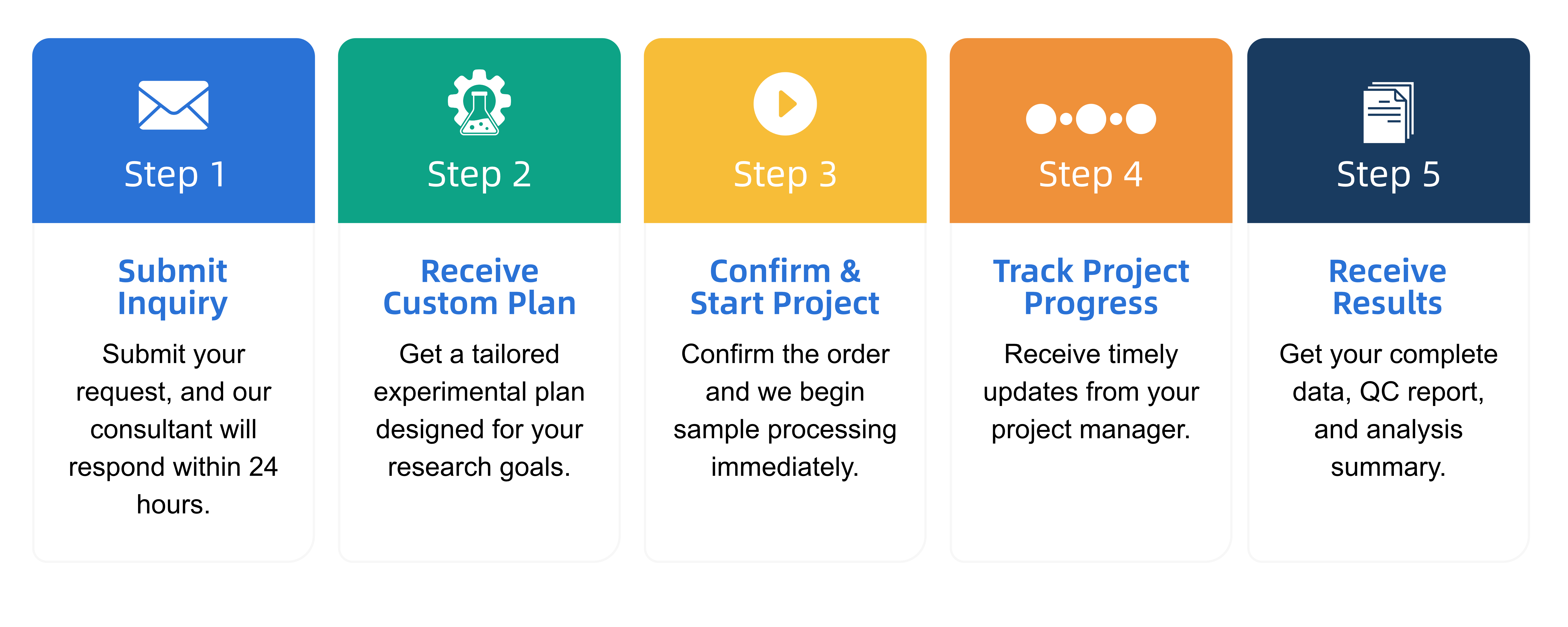
Q2: What is the service general workflow?
A2:
Q3: What data formats are provided?
A3: MtoZ Biolabs typically provides standardized data outputs, including:
- Interaction analysis result tables (Excel/CSV)
- Related statistical and summary files
- Visualization figures (PNG/TIFF)
- Raw detection data files, depending on the specific analytical technologies used
- A comprehensive analysis report (PDF) containing experimental workflows and result interpretation
If special analytical requirements exist, data formats can be customized according to project specifications.
Q4: How should I prepare my samples?
A4: To obtain stable and interpretable analysis results, we recommend the following:
- Sample Quality: Ensure samples are fresh and free from obvious degradation or interfering contaminants.
- Sample Storage: Store samples at 4℃ for short periods and at -80℃ for long-term preservation, minimizing repeated freeze-thaw cycles.
- Sample Transportation: Ship samples under low-temperature, sealed conditions to maintain stability.
- Additional Information: Provide details on sample origin, processing methods, and concentration ranges to facilitate optimization of the analysis strategy.
For more information, please refer to Sample Submission Guidelines for Proteomics, Sample Submission Guidelines for Metabolomics.
Start Your Project with MtoZ Biolabs
Contact us to discuss your experimental design or request a quote. Whether you are exploring interaction characteristics within biological systems or conducting systematic association studies, MtoZ Biolabs provides reliable data support and customized analytical solutions to meet your research needs.