
MtoZ Biolabs provides integrated Neuroproteomics Research solutions using advanced mass spectrometry-based proteomics to support studies in neurodegeneration, neuroinflammation, synaptic biology, and CNS drug development. Our services cover discovery and targeted proteomics for brain tissue, spinal cord, cerebrospinal fluid (CSF), peripheral biofluids, and neural cell models to help you decode protein level changes underlying neurological disease.
Introduction
Neuroproteomics focuses on the global and targeted analysis of proteins in the nervous system, including brain regions, spinal cord, peripheral nerves, cerebrospinal fluid (CSF), and neuron derived cell models. Neurons and glial cells depend on tightly regulated protein networks for synaptic transmission, plasticity, energy metabolism, and survival, so alterations in the proteome often mirror the onset and progression of neurological disorders.
By combining deep proteome coverage with pathway and network analysis, neuroproteomics provides a functional view of the nervous system that supports disease mechanism research, molecular diagnostics, biomarker development, and drug target evaluation.
Service at MtoZ Biolabs
MtoZ Biolabs uses DIA MS and 4D proteomics platforms to perform large scale proteomic and post-translational modification (PTM) profiling of brain tissue and cerebrospinal fluid. These workflows help map signaling networks, uncover disease related pathway changes, and identify candidate biomarkers that support diagnosis, treatment monitoring, and prognosis in neurological disorders. Our targeted proteomics capabilities can further be used to qualitatively and quantitatively measure specific proteins or panels according to your study needs, including synaptic markers, neuroinflammatory mediators, and neurodegeneration related proteins.
Applicable Neurological Diseases & Research Areas
The Neuroproteomics Research Solutions at MtoZ Biolabs support research in various neurological and psychiatric disorders, including but not limited to:
1. Neurodegenerative Diseases
- Alzheimer's disease (AD)
- Parkinson's disease (PD)
- Amyotrophic lateral sclerosis (ALS)
- Huntington's disease (HD)
2. Neurodevelopmental Disorders
- Autism spectrum disorder (ASD)
- Schizophrenia
- Intellectual disabilities
3. Neuroinflammation & Brain Injury
- Stroke
- Traumatic brain injury (TBI)
- Multiple sclerosis (MS)
4. Synaptic Function & Plasticity
-
Learning and memory disorders
-
Epilepsy
-
Mood disorders (e.g., depression, bipolar disorder)
You can share your biological questions and sample types, and MtoZ Biolabs will design and execute an appropriate neuroproteomics strategy to support your project.
Analysis Workflow
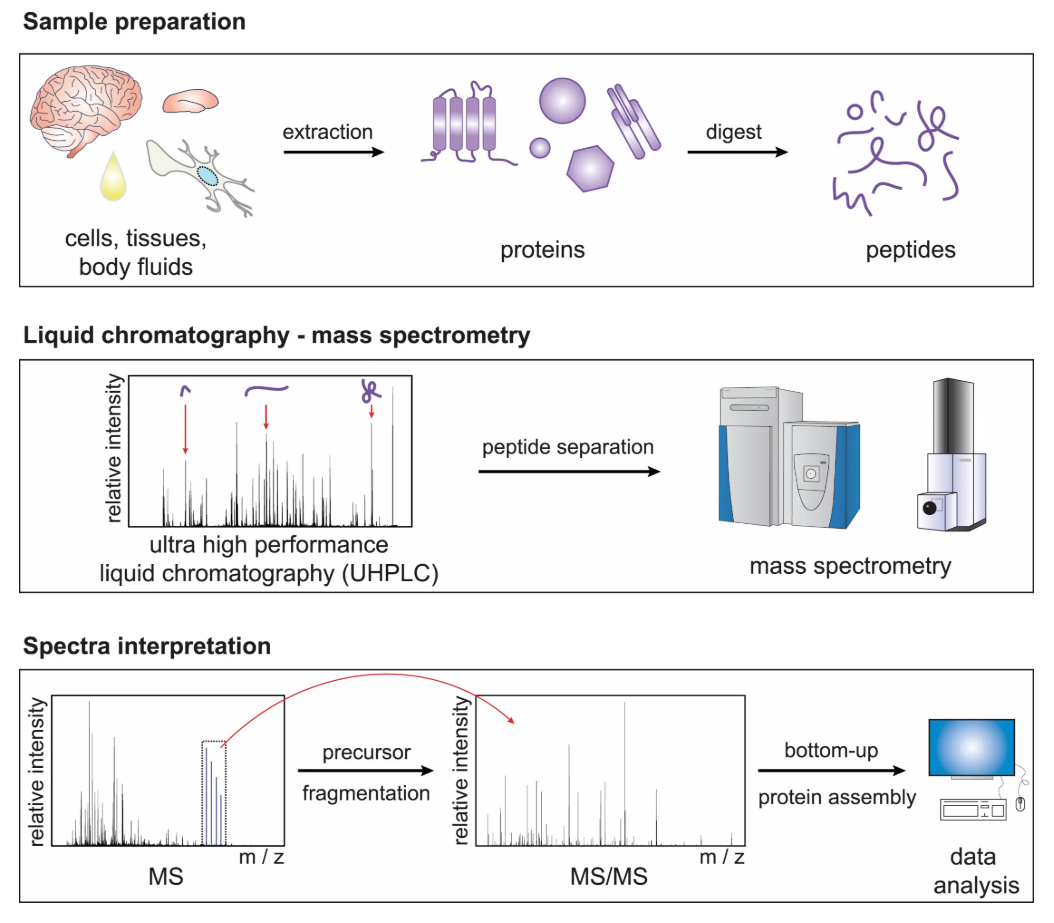
Hosp, F. et al. Neuron. 2017.
Figure 1. Universal Neuroproteomics Workflow
Why Choose MtoZ Biolabs
1. Neuro Focused Proteomics Expertise
Experience handling brain tissue, spinal cord, CSF, neural cell models, and synaptic fractions with protocols tuned for delicate and low abundance proteins.
2. Flexible Quantitative Platforms
Support for label-free, DIA, and TMT multiplexed proteomics plus targeted PRM and MRM, allowing seamless progression from discovery to validation.
3. End-to-End Project Support
One-stop service from experimental design and sample preparation optimization to LC-MS/MS, data processing, bioinformatics, and biological interpretation, saving your time and efforts.
4. High Quality and Reproducibility
Standardized QC, batch controls, and robust data processing pipelines to ensure reliable results suitable for publication and regulatory grade documentation.
FAQ
Q1: What types of samples are suitable?
We support a broad range of neurobiology related samples, including:
-
Fresh frozen or FFPE brain and spinal cord tissue
-
Cerebrospinal fluid (CSF), plasma, and serum
-
Primary neurons, glia, and mixed neural cultures
-
iPSC derived neurons, astrocytes, and organoids
-
Subcellular fractions such as synaptosomes or membrane fractions
If you are unsure whether your sample type is suitable, we can assess feasibility and optimize a suitable workflow.
Q2: How should I prepare my samples?
- Ensure samples are freshly prepared or snap-frozen.
- Avoid detergents, salts, and reducing agents that may interfere with LC-MS/MS analysis.
- Store samples at –80 °C before shipment.
- Transport samples on dry ice to maintain stability during delivery.
Detailed requirements and recommendations can be found in the Sample Submission Guidelines for Proteomics.
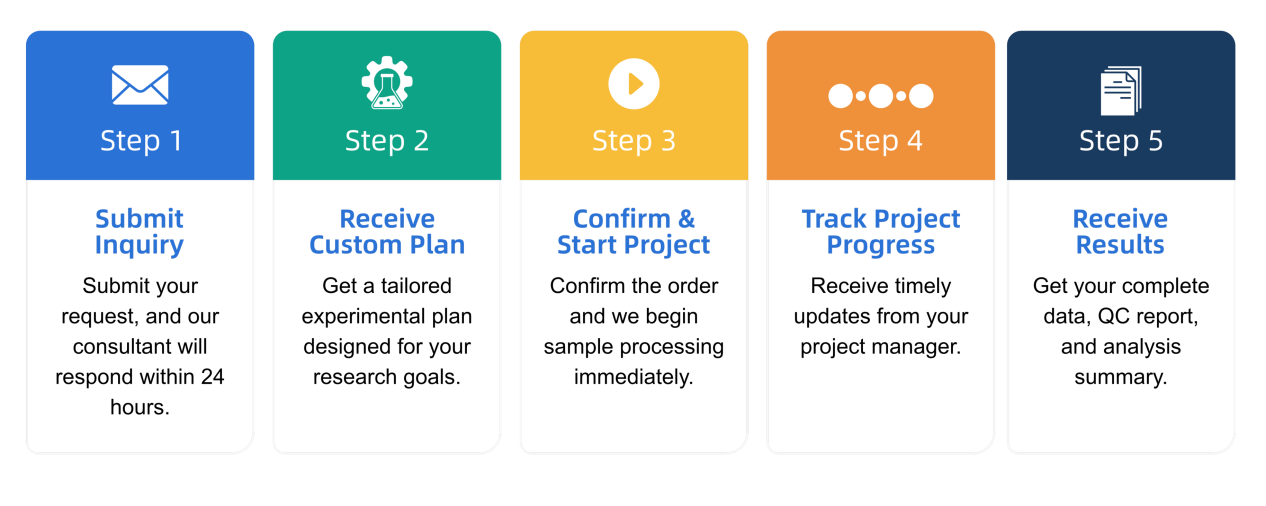
Q3: What is the service general workflow?
Q4: What data formats are provided?
- Raw data files in instrument specific formats for full traceability
- Peptide and protein identification and quantification tables in Excel or CSV
- Differential expression and enrichment analysis results in spreadsheet formats
- Publication ready figures such as heatmaps, volcano plots, PCA and clustering plots in high resolution PNG or TIFF
- A structured PDF report summarizing workflow, QC metrics, key findings, and result interpretation
- Additional or customized formats can be provided on request to match your analysis or publication needs.
Start Your Project with MtoZ Biolabs
Whether you are exploring mechanisms of neurodegeneration, searching for CSF biomarkers, or profiling CNS drug responses, MtoZ Biolabs can provide tailored neuroproteomics solutions to match your research needs.
Contact us to discuss your study objectives, sample types, and timelines. Our team will work with you to design an efficient, high quality proteomics strategy for your neurobiology research.