
MtoZ Biolabs provides mass spectrometry based proteomics solutions dedicated to inflammatory diseases research, supporting projects from basic mechanism studies to biomarker discovery and translational development. Our platforms integrate discovery proteomics, targeted quantification, and PTM analysis to help you decode complex inflammatory pathways across tissues, biofluids, and cellular models.
Introduction
Inflammatory diseases are driven by dysregulated immune responses that damage tissues and disturb homeostasis in organs such as joints, gut, skin, lung, liver, and the nervous system. Common examples include rheumatoid arthritis, inflammatory bowel disease (IBD), psoriasis, asthma, vasculitis, neuroinflammatory disorders, and metabolic inflammation.
Proteomics provides a direct window into the proteins and pathways that execute these inflammatory responses. By quantifying cytokines, receptors, signaling molecules, complement components, and matrix proteins in tissues, biofluids, and immune cells, proteomics helps clarify disease mechanisms, define molecular subtypes, and support biomarker and drug target discovery in inflammatory disease research.
Service at MtoZ Biolabs
1. Disease Mechanism and Pathway Analysis
Methods: Quantitative proteomics (label free, DIA, TMT), PTM proteomics, high resolution LC-MS/MS, pathway and network analysis.
Service Content
-
Design of comparison schemes such as inflamed vs non inflamed tissue or stimulated vs unstimulated immune cells
-
Global and pathway focused protein profiling to map cytokines, kinases, receptors, and matrix proteins
-
Integration of differential expression, pathway enrichment, and network modeling to identify key regulatory nodes
-
Option to combine tissue, biofluid, and isolated immune cell proteomes for multi layer mechanism studies
Typical Applications
-
Dissecting mechanisms in rheumatoid arthritis, IBD, psoriasis, asthma, vasculitis, and neuroinflammation
-
Characterizing innate and adaptive immune activation and resolution programs
-
Linking molecular pathways to histology, clinical scores, or functional readouts in preclinical and clinical studies
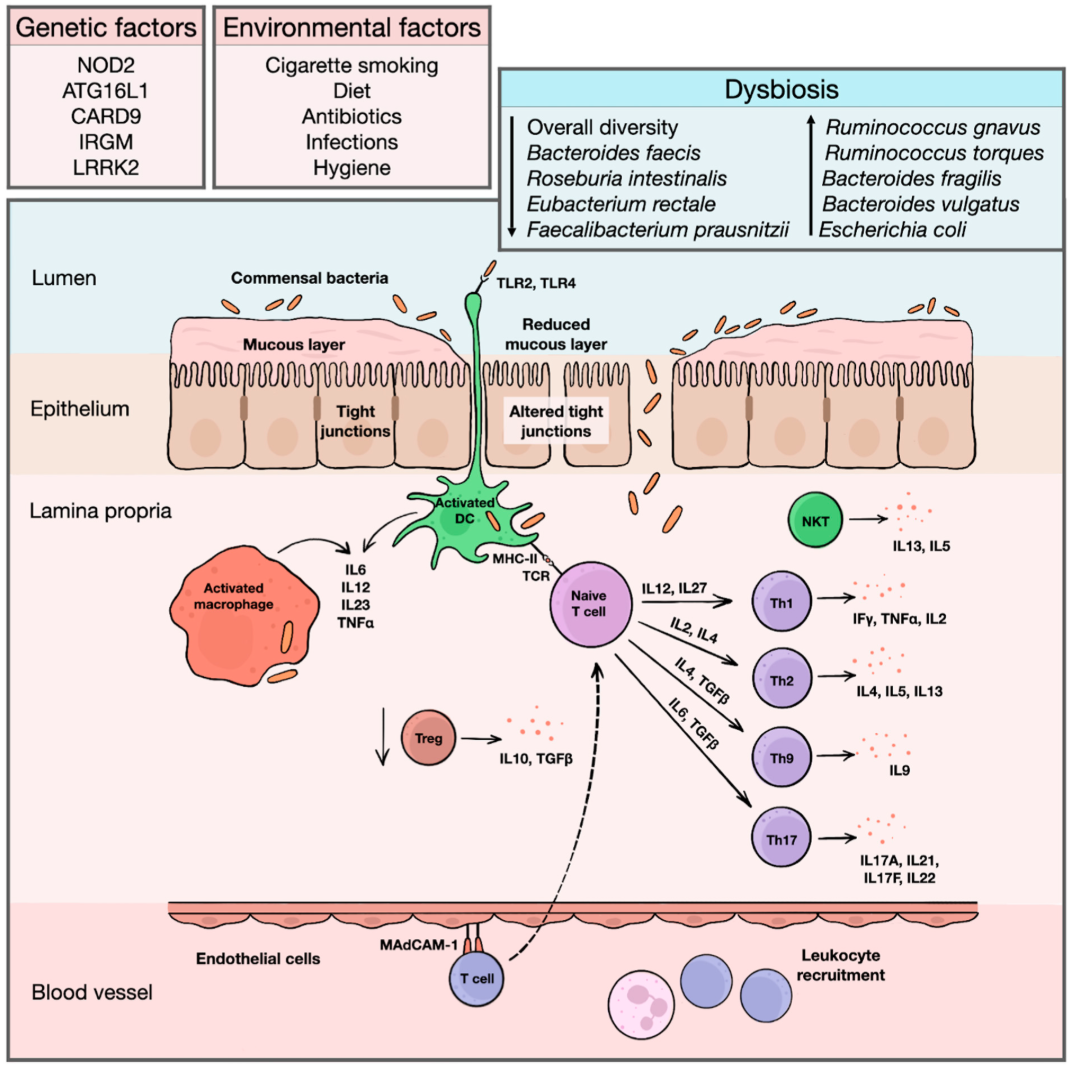
Fabian, O. et al. Int J Mol Sci. 2023.
Figure 1. An Overview of IBD Etiopathogenesis
2. Molecular Diagnostics and Disease Stratification
Methods: Multiplexed TMT or DIA proteomics, high resolution LC-MS/MS, targeted verification (PRM or MRM), multivariate and machine learning based classification.
Service Content
-
Quantitative proteomic profiling of serum, plasma, CSF, BAL, synovial fluid, stool, or urine across patient cohorts
-
Identification of protein signatures that distinguish disease vs control, activity states, and molecular subtypes
-
Support for assay transfer toward targeted or immunoassay based validation if needed
Typical Applications
-
Stratifying patients with IBD, asthma, autoimmune diseases, and systemic inflammatory conditions
-
Differentiating overlapping inflammatory syndromes and endotypes within the same clinical label
-
Supporting development of protein based diagnostic concepts for early detection and risk assessment
3. Biomarker Discovery and Validation
Methods: Discovery proteomics (label free, DIA, TMT), targeted proteomics (PRM, MRM), bioinformatics driven candidate prioritization.
Service Content
-
Unbiased screening of tissue and biofluid proteomes to identify candidate biomarkers for diagnosis, prognosis, or treatment response
-
Statistical filtering, pathway context analysis, and ranking of candidates for follow up
-
Design and execution of targeted panels for verification and quantitative validation in extended cohorts
-
Delivery of biomarker lists with effect sizes, performance indices, and biological interpretation
Typical Applications
-
Serum and plasma biomarkers for disease activity and progression in autoimmune and inflammatory disorders
-
Fluid biomarkers from synovial fluid, BAL, sputum, stool, or CSF for organ specific inflammation
-
Pharmacodynamic markers to monitor biologic and small molecule therapies in clinical or preclinical studies
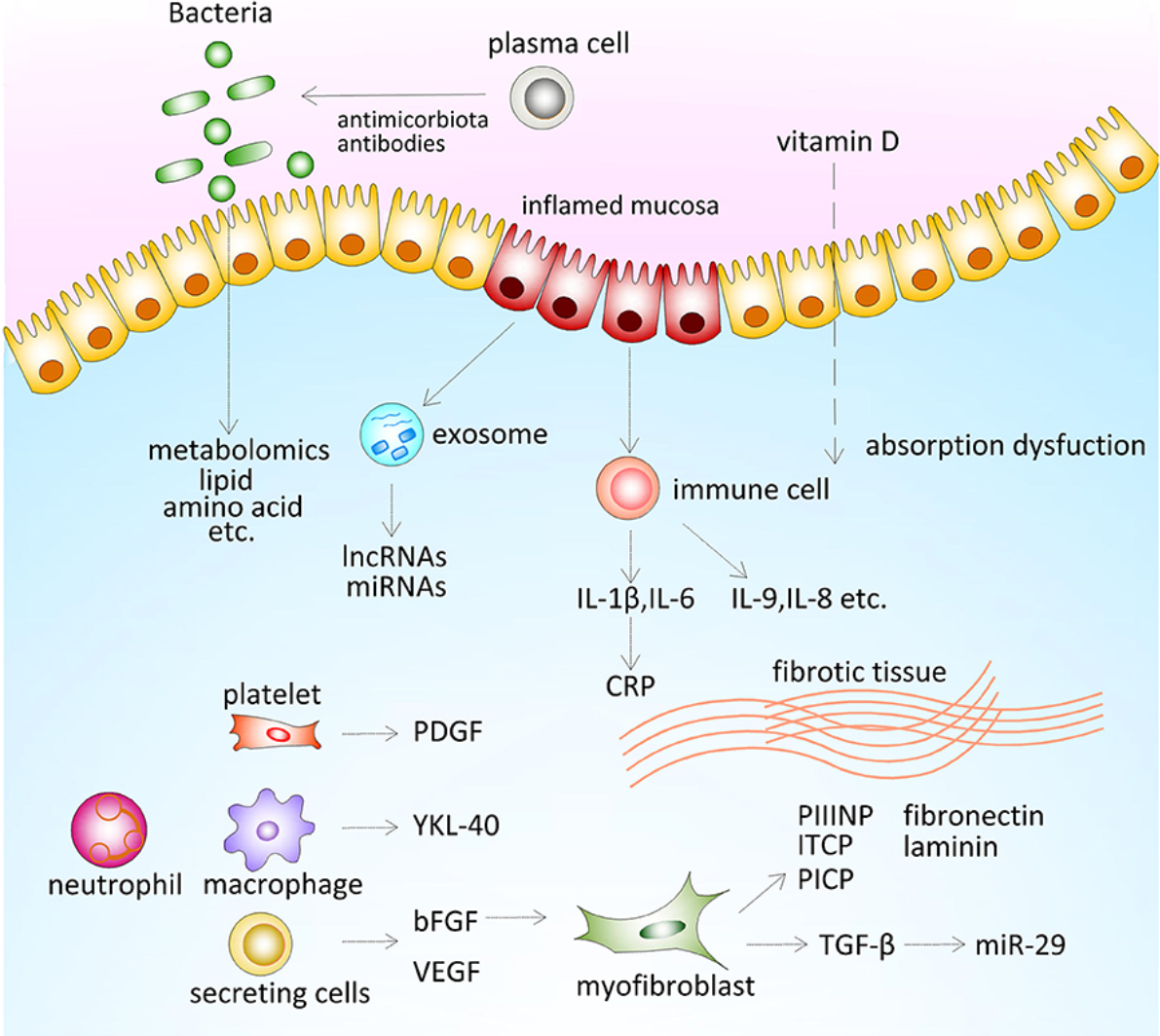
Chen, P. et al. Front Med (Lausanne). 2020.
Figure 2. Serum Biomarkers for Inflammatory Bowel Disease (IBD) Management
4. Drug Target Profiling
Methods: Global quantitative proteomics, PTM analysis, targeted assays, pathway and network analysis.
Service Content
-
Comparative proteomic profiling of treated vs control cells, organoids, tissues, or animal models
-
Assessment of target engagement, pathway modulation, feedback and compensatory mechanisms
-
Identification of off target effects and safety relevant pathway changes
-
Integration of proteomic changes with functional assays, phenotypes, or other omics layers when available
Typical Applications
-
Mechanism of action studies for anti cytokine biologics, kinase inhibitors, and other anti inflammatory agents
-
Target validation and PD strategy support in models of rheumatoid arthritis, IBD, psoriasis, asthma, and metabolic inflammation
-
Early translational support for candidate drugs moving from discovery into preclinical and clinical development
Why Choose MtoZ Biolabs
1. Advanced Proteomics Platforms
High resolution LC MS/MS systems with support for label free, DIA, TMT, iTRAQ, targeted PRM or MRM, and PTM focused workflows tailored to inflammatory biology.
2. Deep Experience in Immune and Inflammatory Research
Extensive project experience across autoimmune, respiratory, gastrointestinal, dermatologic, neuroinflammatory, and infectious disease models.
3. Robust Bioinformatics and Biological Interpretation
Dedicated bioinformatics capabilities for pathway analysis, immune signature profiling, network analysis, and integration with clinical phenotypes.
4. Customizable and Scalable Study Designs
Flexible support for small exploratory studies, large clinical cohorts, and multi center projects with batch control and consistent QC.
5. Quality Focus and Transparent Communication
Strict QC at each step, clear documentation, and regular updates to keep your project on track and interpretable.
FAQ
Q1: What types of samples are suitable?
We support a broad range of samples relevant to inflammatory disease research, including:
-
Fresh frozen or FFPE tissues from inflamed and non inflamed sites
-
Blood derived samples such as serum, plasma, PBMCs, and other immune cell subsets
-
Biofluids including synovial fluid, BAL, sputum, CSF, urine, and tear or nasal secretions
-
In vitro and in vivo models such as cell lines, primary immune cells, organoids, and animal tissues
For unusual sample types or low-yield materials, please contact MtoZ Biolabs in advance for customized preparation guidance.
Q2: How should I prepare my samples?
- Ensure samples are freshly prepared or snap-frozen.
- Avoid detergents, salts, and reducing agents that may interfere with LC-MS/MS analysis.
- Store samples at –80 °C before shipment.
- Transport samples on dry ice to maintain stability during delivery.
For more information, please refer to Sample Submission Guidelines for Proteomics.
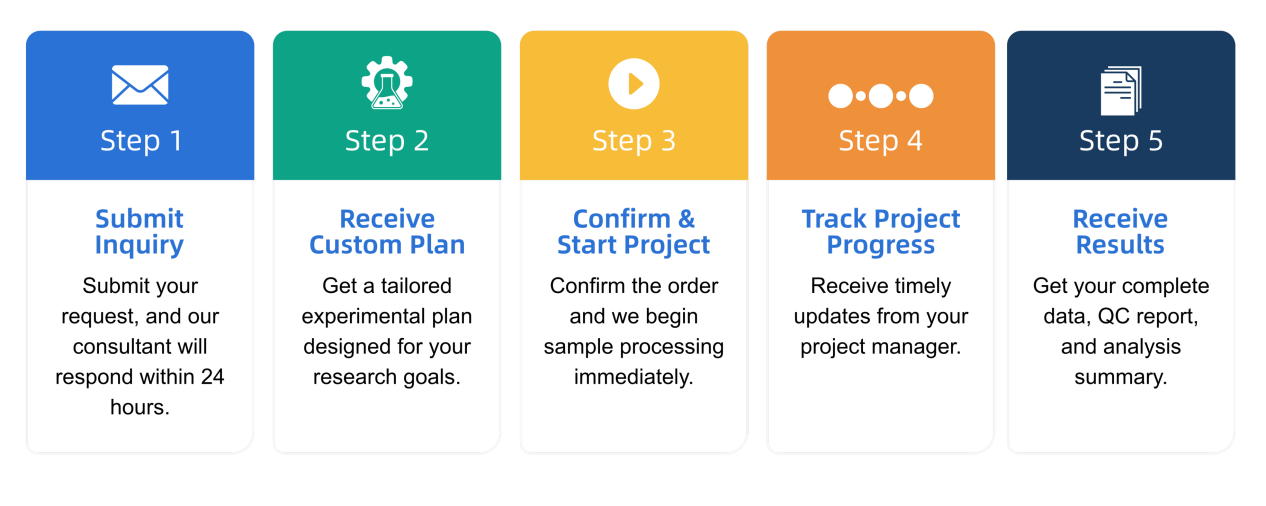
Q3: What is the service general workflow?
Q4: What data formats are provided?
- Raw data files in instrument specific formats
- Processed protein and peptide quantification tables in Excel or CSV, including identifiers and key statistics
- Bioinformatics outputs such as pathway and enrichment results in spreadsheet ready formats
- Publication ready figures such as heatmaps, volcano plots, PCA and clustering plots in high resolution PNG or TIFF
- A structured PDF report summarizing workflow, QC metrics, main findings, and biological interpretation
- Additional file formats or customized deliverables can be provided upon request to match your analysis and publication needs.
Start Your Project with MtoZ Biolabs
Whether you are dissecting inflammatory pathways, searching for robust biomarkers, or profiling drug mechanisms, MtoZ Biolabs can support your project with end to end proteomics solutions.
Contact us to discuss your study goals, review feasible workflows, and obtain a tailored proposal for your inflammatory disease research.