
MtoZ Biolabs utilizes high-resolution mass spectrometry platforms to offer CSF proteomics solutions which can systematically analyze the protein composition and expression features of cerebrospinal fluid (CSF) samples. This service is widely applied in biomarker discovery and protein function analysis, providing reliable data support for proteomics research related to the nervous system.
Overview
CSF proteomics involves analyzing the protein composition, types, and changes in CSF to study the physiological and pathological processes of the brain and spinal cord. As an important body fluid, CSF reflects the health status of the central nervous system and holds significant potential as a biomarker. Through CSF proteomics analysis, key proteins related to neurodegenerative diseases, inflammation, tumors, and more can be identified, with broad applications in neuroscience, biomarker discovery, and drug development.
CSF Proteomics Solutions at MtoZ Biolabs
MtoZ Biolabs utilizes advanced mass spectrometry technology to provide customers with systematic analysis of protein composition, types, and characteristics in cerebrospinal fluid samples.
-
Perform identification and quantitative analysis of proteins in CSF samples
-
Detect biomarkers related to neurodegenerative diseases
-
Evaluate the relative abundance and changes of proteins in CSF
-
Analyze differential features of CSF proteins under different disease conditions
Our analysis provides a comprehensive understanding of the CSF proteomics characteristics and their patterns of change, enabling researchers to gain deeper insights into the mechanisms of the nervous system and advancing related basic research.
Workflow of CSF Proteomics Solutions
1. Sample Preparation
Conduct an initial evaluation of the collected cerebrospinal fluid samples to ensure sample quality, stability, and suitability for subsequent analysis.
2. Protein Extraction and Preprocessing
Extract total proteins from cerebrospinal fluid, removing impurities and high-abundance components to ensure the accuracy and consistency of the analysis results.
3. Protein Digestion and Detection
Perform standardized digestion to convert the extracted proteins into peptides, followed by mass spectrometry analysis to obtain protein composition and expression characteristics.
4. Quantification and Identification Analysis
Systematically perform quantification and identification analysis on the data, evaluating the relative abundance changes and characteristics of proteins under different conditions.
5. Data Interpretation and Report Output
Integrate and interpret the analysis results, generating a structured report to provide data support for further research in the nervous system.
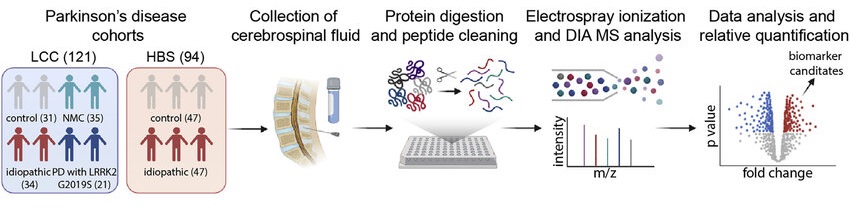
Karayel, O. et al. Cell Reports Medicine, 2022.
Figure 1. Overview of the CSF Proteomic Workflow.
Why Choose MtoZ Biolabs?
1. High Sensitivity Detection
Capable of detecting low-abundance cerebrospinal fluid proteins, suitable for precise analysis of complex samples.
2. High Coverage Analysis
Comprehensive analysis of the protein composition in cerebrospinal fluid, revealing multiple protein characteristics and patterns of change.
3. Strong Reliability
Standardized analytical processes ensure stable and consistent results, with good reproducibility.
4. Customized Services
Analytical plans can be flexibly adjusted based on research goals, providing personalized data support.
5. One-Stop Support
Covers the entire process from sample preparation to data delivery, simplifying workflows and improving efficiency.
Applications of CSF Proteomics Solutions
1. Cerebrospinal Fluid Biomarker Discovery
By analyzing the proteins in cerebrospinal fluid, it helps to discover new molecular biomarkers for clinical detection or research.
2. Neurodevelopment and Function Study
Analyzing proteins related to neurodevelopment and function in cerebrospinal fluid aids in revealing the normal operational mechanisms and regulatory pathways of the nervous system.
3. Cerebrospinal Fluid Metabolism Research
By studying the metabolic characteristics of proteins in cerebrospinal fluid, it explores the changes of metabolism-related proteins under physiological and pathological conditions.
4. Environmental or Drug Impact Analysis
Comparing protein changes in cerebrospinal fluid under different experimental groups or treatment conditions helps analyze the effects of the environment or drugs on the nervous system.
5. Drug Development
Helps identify protein changes related to drug action, supporting drug target screening and effectiveness evaluation.
Deliverables
- Comprehensive Experimental Details
- Materials, Instruments, and Methods
- Protein Identification and Quantification Results Table
- Mass Spectrometry Spectra and Visualization Charts
- Bioinformatics Analysis
- Raw Data Files
FAQ
Q1: What types of samples are suitable?
A1: CSF proteomics solutions is suitable for cerebrospinal fluid (CSF) samples with clear origins and no obvious contamination. Samples should be free from hemolysis, microbial contamination, and have good preservation conditions to avoid degradation, ensuring the stability and reliability of the analysis results.
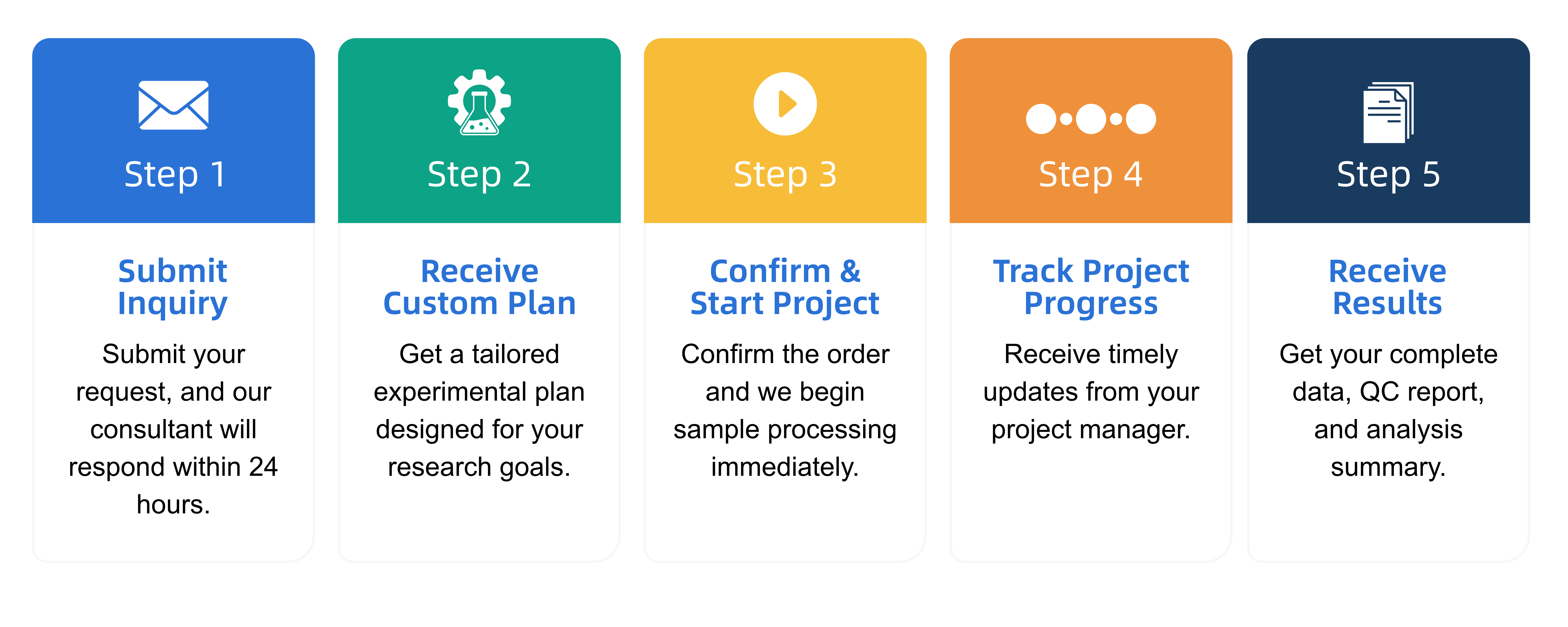
Q2: What is the service general workflow?
A2:
Q3: What data formats are provided?
A3: MtoZ Biolabs provides a variety of standardized data formats, including:
-
Protein identification and quantification results (Excel/CSV)
-
Mass spectrometry data files
-
Visualization analysis charts (PNG/TIFF)
-
Comprehensive analysis report (PDF, including experimental procedures and result interpretation)
If special analytical requirements exist, data formats can be customized according to project specifications.
Q4: How should I prepare my samples?
A4: To ensure reliable analysis results, it is recommended to:
- Sample quality: Ensure samples are free from degradation or contamination and meet quality requirements.
- Sample storage: Store short-term samples at 4℃ and long-term at -80℃, avoiding repeated freeze-thaw cycles.
- Sample transportation: Transport under low temperature in sealed containers to prevent sample degradation.
- Additional information: Provide sample source, collection method, storage conditions, and other background information to help optimize the analysis plan.
For more information, please refer to Sample Submission Guidelines for Proteomics, Sample Submission Guidelines for Metabolomics.
Start Your Project with MtoZ Biolabs
Contact us to discuss your experimental design or request a quote. Whether you are exploring the protein features in cerebrospinal fluid or studying biomarkers related to the nervous system, we can provide high-quality, reliable analytical support.