
MtoZ Biolabs employs high-resolution mass spectrometry platforms to deliver subcellular proteomics solutions which enable systematic analysis of protein composition, distribution characteristics, and expression differences across distinct subcellular structures within cells. This service is applicable to subcellular localization and functional studies, providing reliable data support for refined proteomics analysis.
What Is Subcellular Proteomics?
Subcellular structures refer to cellular components with specific structural and functional compartments, such as the nucleus, mitochondria, and endoplasmic reticulum. Subcellular proteomics focuses on different subcellular structures as the objects of study and systematically analyzes the spatial distribution and functional characteristics of proteins within cells. Because protein function is closely associated with its localization, this research is of significant importance for elucidating cellular regulatory mechanisms and is widely applied in cell biology, disease mechanism studies, and drug development.
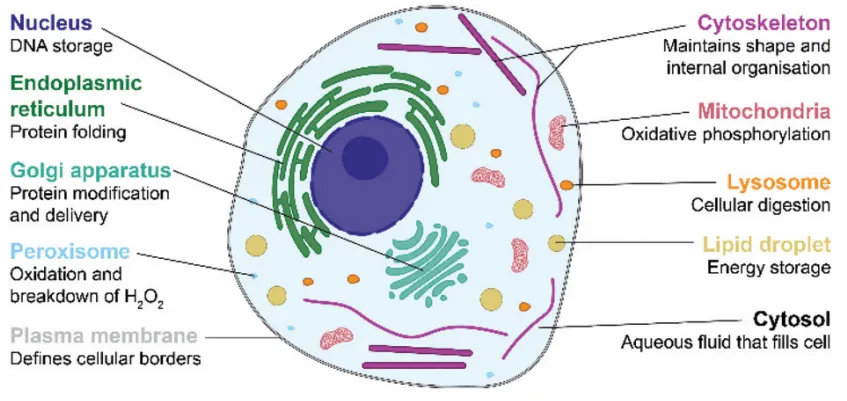
Lin, J. et al. Org Biomol Chem. 2021.
Figure 1. The Subcellular Structure.
Subcellular Proteomics Solutions at MtoZ Biolabs
MtoZ Biolabs leverages high-resolution mass spectrometry-based proteomics technologies to support refined proteomics analysis and research at the subcellular level.
-
Analysis of protein composition and enrichment characteristics in subcellular compartments such as the nucleus, mitochondria, and endoplasmic reticulum
-
Comparison of subcellular protein distribution and expression differences under different conditions or cellular states
-
Support for quantitative analysis and comparative studies of subcellular-associated proteins
-
Assistance in characterizing protein regulatory features associated with functional cellular compartments
This analysis provides a comprehensive understanding of protein spatial distribution and functional regulation, helping researchers gain deeper insights into cellular functions and related biological processes.
Workflow of Subcellular Proteomics Solutions
1. Sample Separation and Assessment
Subcellular fractions are isolated from cell or tissue samples, and separation purity and sample integrity are evaluated to ensure the reliability of downstream analyses.
2. Protein Extraction and Processing
Proteins are extracted from different subcellular fractions, followed by interference removal and normalization to improve data consistency.
3. Proteolytic Digestion and Mass Spectrometry Analysis
Proteins are subjected to standardized enzymatic digestion, and high-resolution mass spectrometry platforms are used to obtain information on subcellular protein composition and quantitative profiles.
4. Protein Identification and Quantification
Based on mass spectrometry data, systematic protein identification is performed, and expression differences across subcellular fractions or experimental conditions are analyzed.
5. Data Integration and Result Output
Analytical results are integrated and interpreted to generate structured datasets and analysis reports, supporting subcellular-level proteomics research.
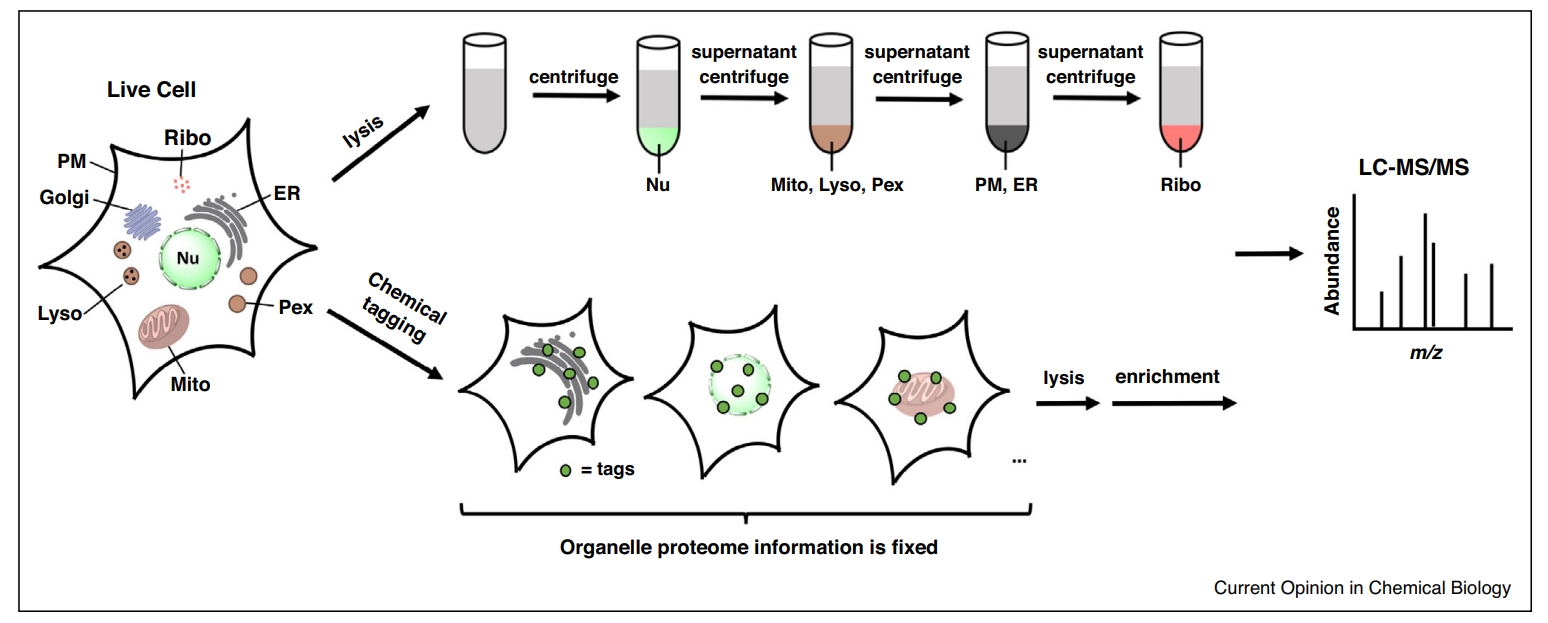
Zhu, H. et al. Current Opinion in Chemical Biology, 2019.
Figure 2. The Subcellular Proteomics Analysis Workflow.
Why Choose MtoZ Biolabs?
1. High-Resolution Mass Spectrometry Detection
Suitable for stable identification of low-abundance proteins in complex subcellular samples.
2. Standardized Analytical Workflows
Ensure consistency in experimental procedures and data processing, enabling result comparability.
3. High-Throughput Analysis Capability
Supports parallel analysis of multiple samples to meet subcellular proteomics needs under diverse experimental designs.
4. Customized Analysis Strategies
Flexible adjustment of analytical approaches based on sample type, research objectives, and study stage.
5. One-Stop Service Support
Covers sample assessment, experimental analysis, and result delivery to improve overall research efficiency.
Applications of Subcellular Proteomics Solutions
1. Protein Transport and Compartmental Redistribution Studies
Used to investigate protein trafficking processes between different subcellular compartments and their regulatory features.
2. Organelle Functional State Assessment
By analyzing changes in organelle-associated proteins, this approach supports evaluation of functional states and activity alterations of specific organelles.
3. Development and Differentiation-Related Research
Supports characterization of dynamic changes in subcellular protein composition during different stages of cellular development or differentiation.
4. Metabolic and Energy Regulation Studies
Applied to investigate the roles of proteins associated with key organelles such as mitochondria and the endoplasmic reticulum in metabolic regulation.
5. Cell Communication and Signal Transduction Research
Assists in analyzing the transmission pathways and regulatory nodes of signaling molecules across different cellular compartments.
Deliverables
- Comprehensive Experimental Details
- Materials, Instruments, and Methods
- Tables of Protein Identification and Quantitative Rsults for Each Subcellular Fraction
- Relevant Mass Spectrometry Spectra and Visualized Figures
- Bioinformatics Analysis
- Raw Data Files
FAQ
Q1: What types of samples are suitable?
A1: Subcellular proteomics solutions are suitable for well-characterized cell or tissue samples in good condition, including cultured cells, primary cells, and fresh or frozen tissue samples. Samples should maintain high integrity and avoid severe degradation or contamination to meet the requirements of subcellular fractionation and proteomics analysis.
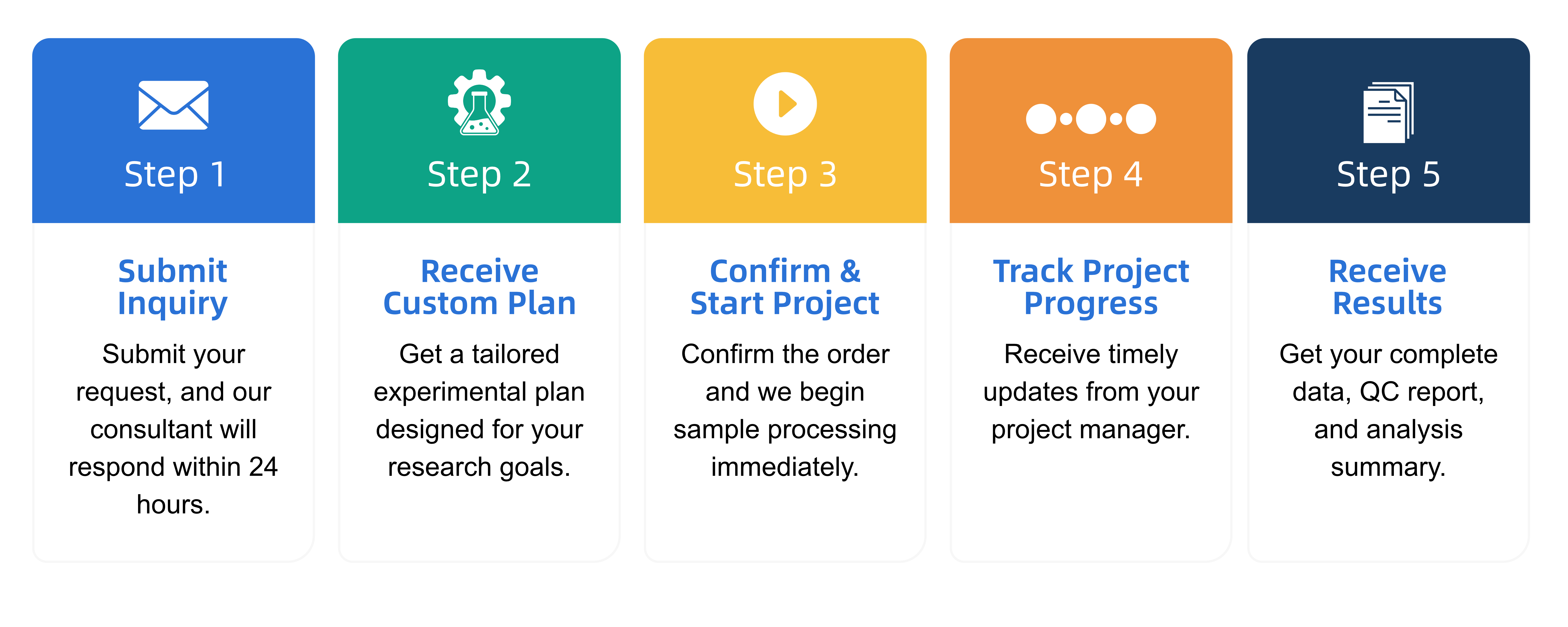
Q2: What is the service general workflow?
A2:
Q3: What data formats are provided?
A3: MtoZ Biolabs provides multiple types of standardized deliverables, including:
-
Subcellular protein identification and quantitative result tables (Excel/CSV)
-
Statistical files related to protein distribution and differential analysis
-
Visualized result figures (PNG/TIFF)
-
Raw and processed mass spectrometry data files
-
Comprehensive analysis report (PDF)
If special analytical requirements exist, data formats can be customized according to project specifications.
Q4: How should I prepare my samples?
A4: To ensure optimal analytical performance, sample preparation is recommended in the following aspects:
- Sample Purity: Ensure samples are intact with clear provenance, and avoid obvious degradation or exogenous contamination.
- Sample Storage: Samples should be stored at low temperature and protected from repeated freeze-thaw cycles; long-term storage is recommended at -80℃.
- Sample Transport: Samples should be transported under low-temperature and sealed conditions to maintain stability.
- Additional Information: Providing sample type, processing conditions, and experimental grouping information will help optimize the analytical workflow.
For more information, please refer to Sample Submission Guidelines for Proteomics, Sample Submission Guidelines for Metabolomics.
Start Your Project with MtoZ Biolabs
Contact us to discuss your experimental design or request a quote. Whether you aim to understand protein characteristics across different subcellular fractions or to conduct related functional studies, MtoZ Biolabs can provide professional and reliable analytical support.